Follow the Phone
Aviation is running telecom's playbook. The year is 1985.
Happy Friday Jr!
More notes on where the Aerial Economy is headed.
My favorite guide is the telecom industry.
It just fits.
It took 107 years to get from Bell's telephone patent to the first commercial cell call.
For most of that century, the phone was bolted to a wall.
It rang a place, not a person.
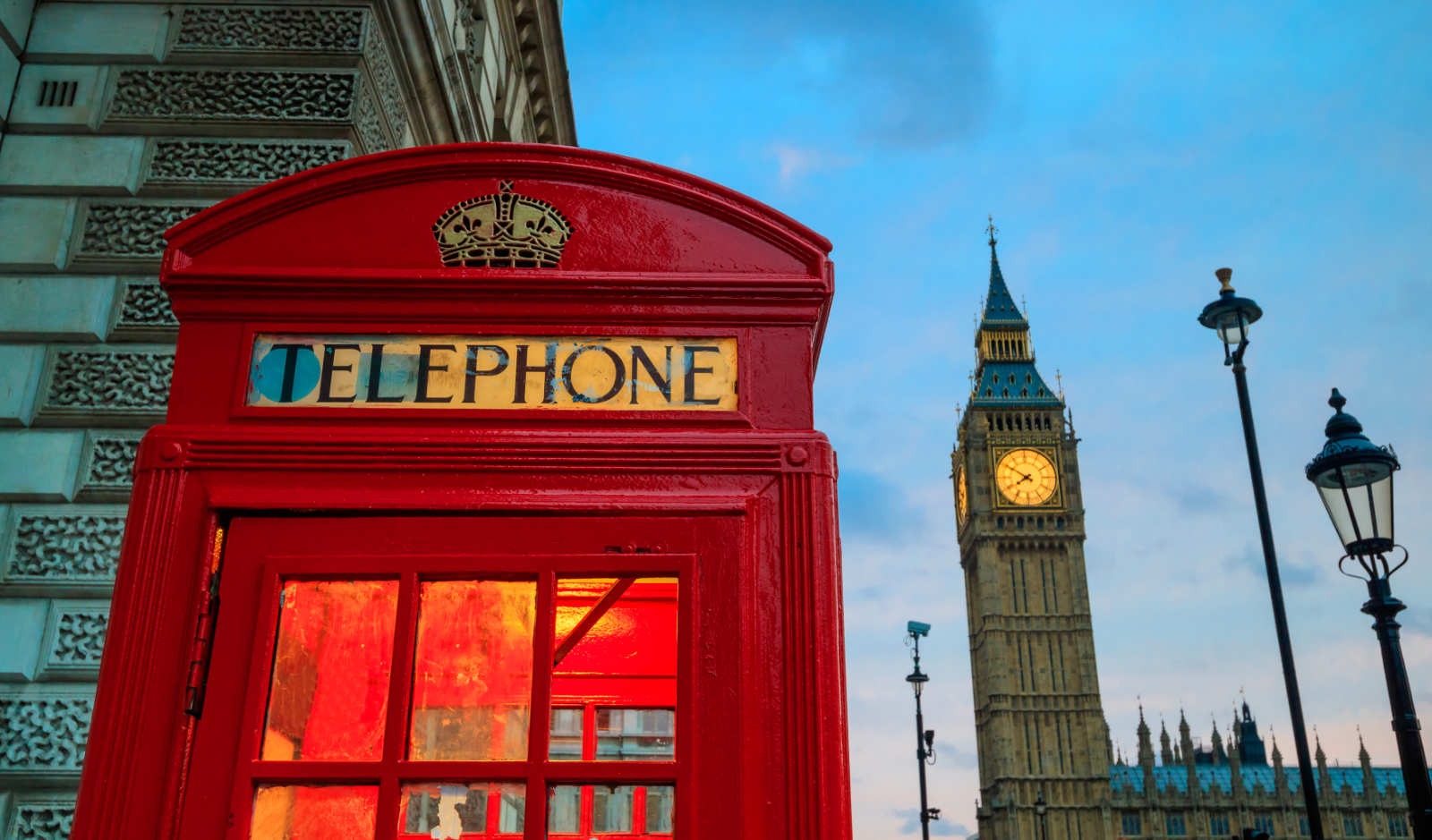
Then came the cell phone.
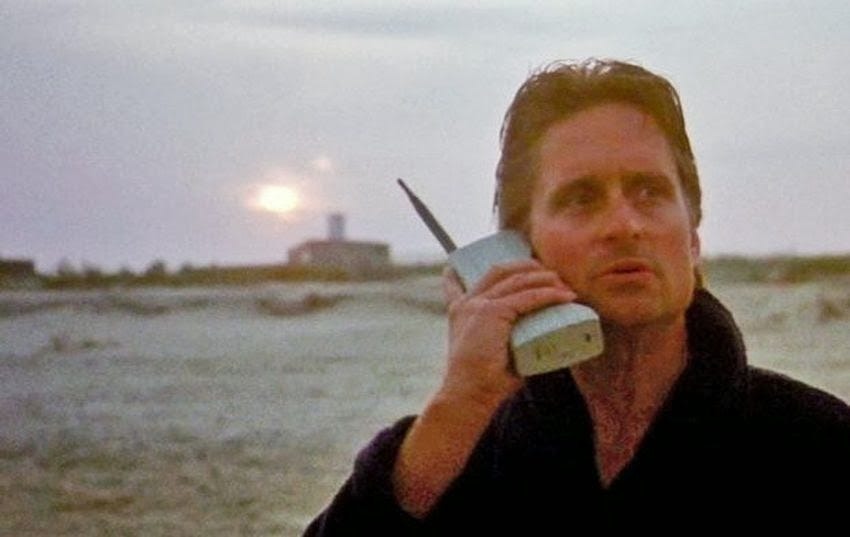
Aviation is on the same path. It's leaving the wall.
This week, Zipline entered talks to raise about $1 billion at a valuation near $20 billion.
That's nearly 3x its January mark.
A month ago, it partnered with Uber. The target is one million drone deliveries a day by the end of 2029.
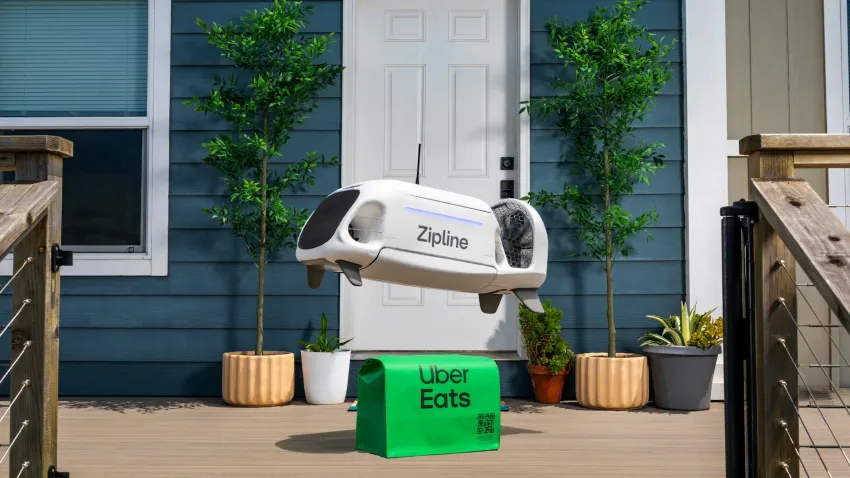
What's happening in transportation and logistics is the most exciting story in the world.
Forget the AI. Forget the politics. Forget the wars and the endless grift. Forget football.
We are living at the dawn of a new era in transportation.
It's the closest thing to teleportation we've ever seen.
The Same Stack
Every network gets built the same way. Rules at the bottom. Customers on top.
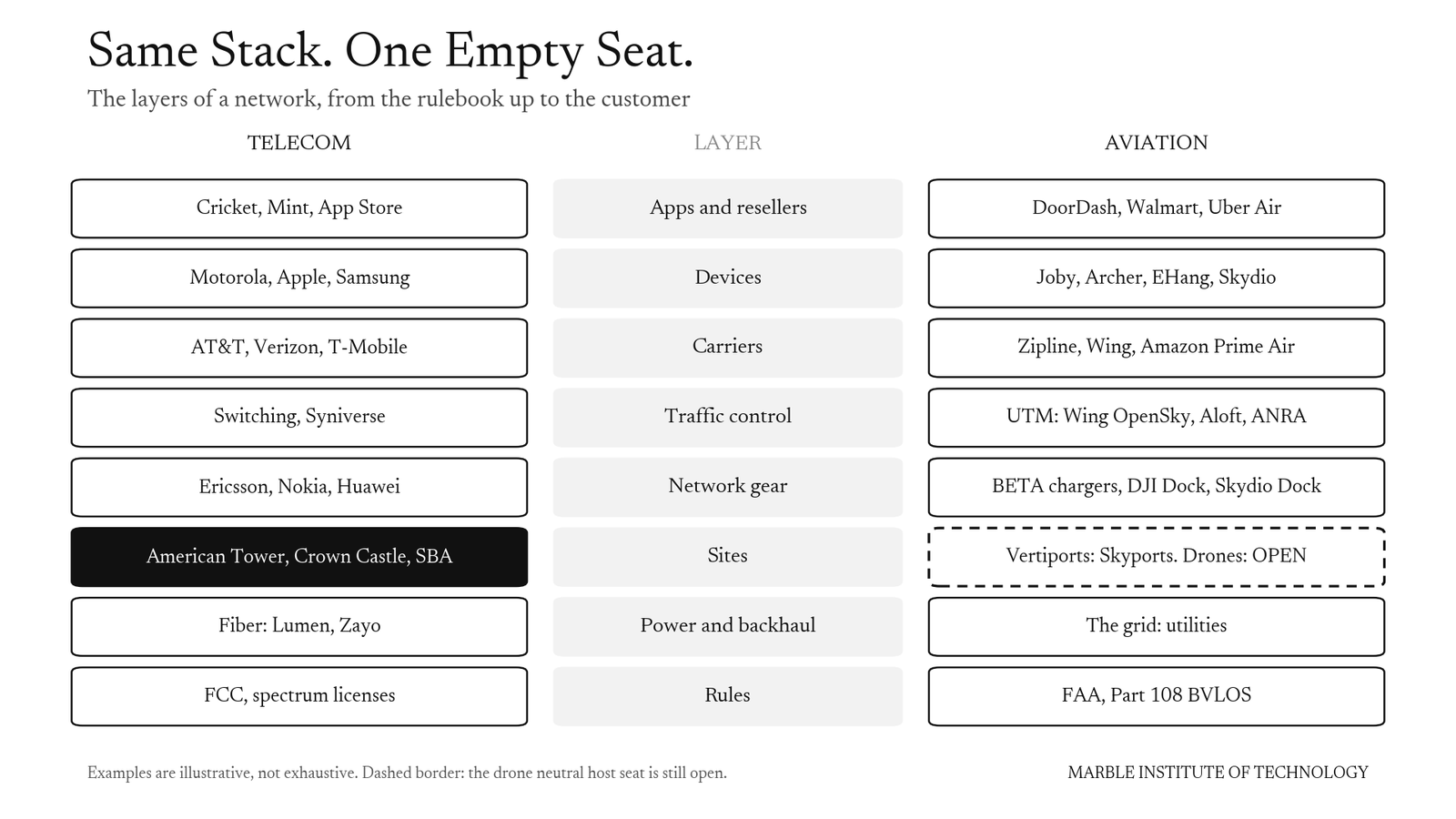
Aviation already has a name in almost every row. Devices. Carriers. Chargers. Traffic control.
One row is still open. The site.
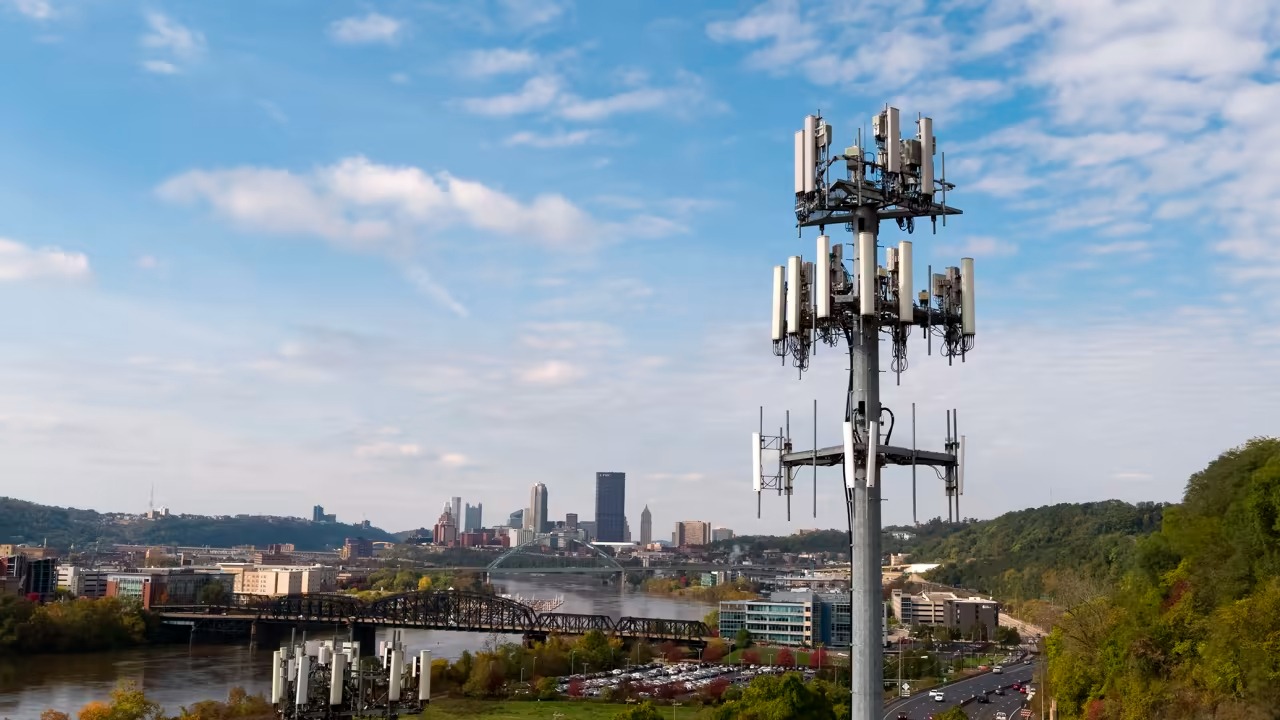
In telecom, that row became American Tower.
The S-Curve
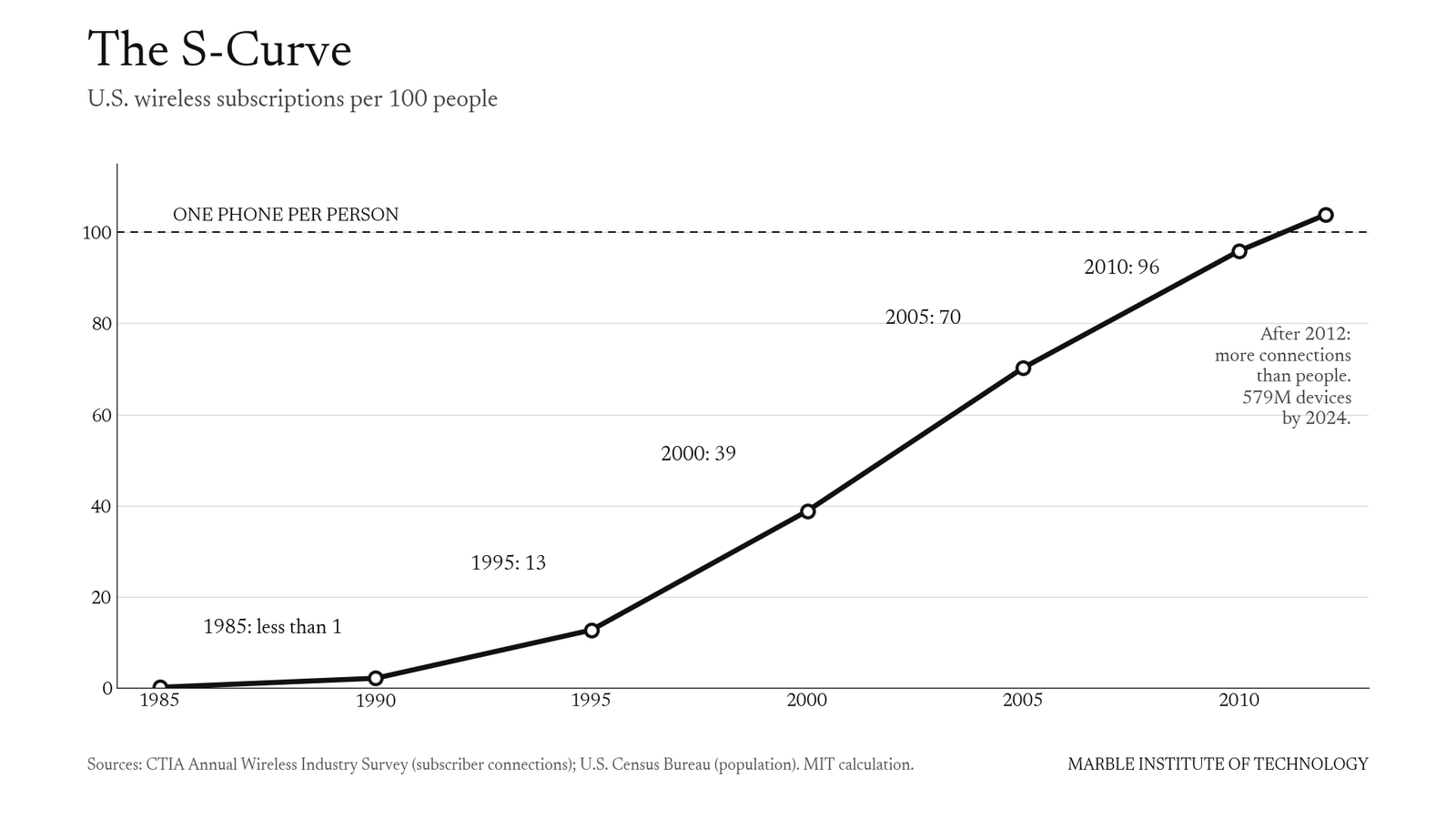
Cell phones didn't take off. They crawled.
In 1985, there were 340,213 wireless subscribers. Ten years later, 33.8 million, ~13% of the country.
Then the curve went vertical. By 2010, there were 96 phones for every 100 Americans.
For reference, the iPhone dropped in 2007. Cell phones matured to the “early majority” stage before Steve + co took over.
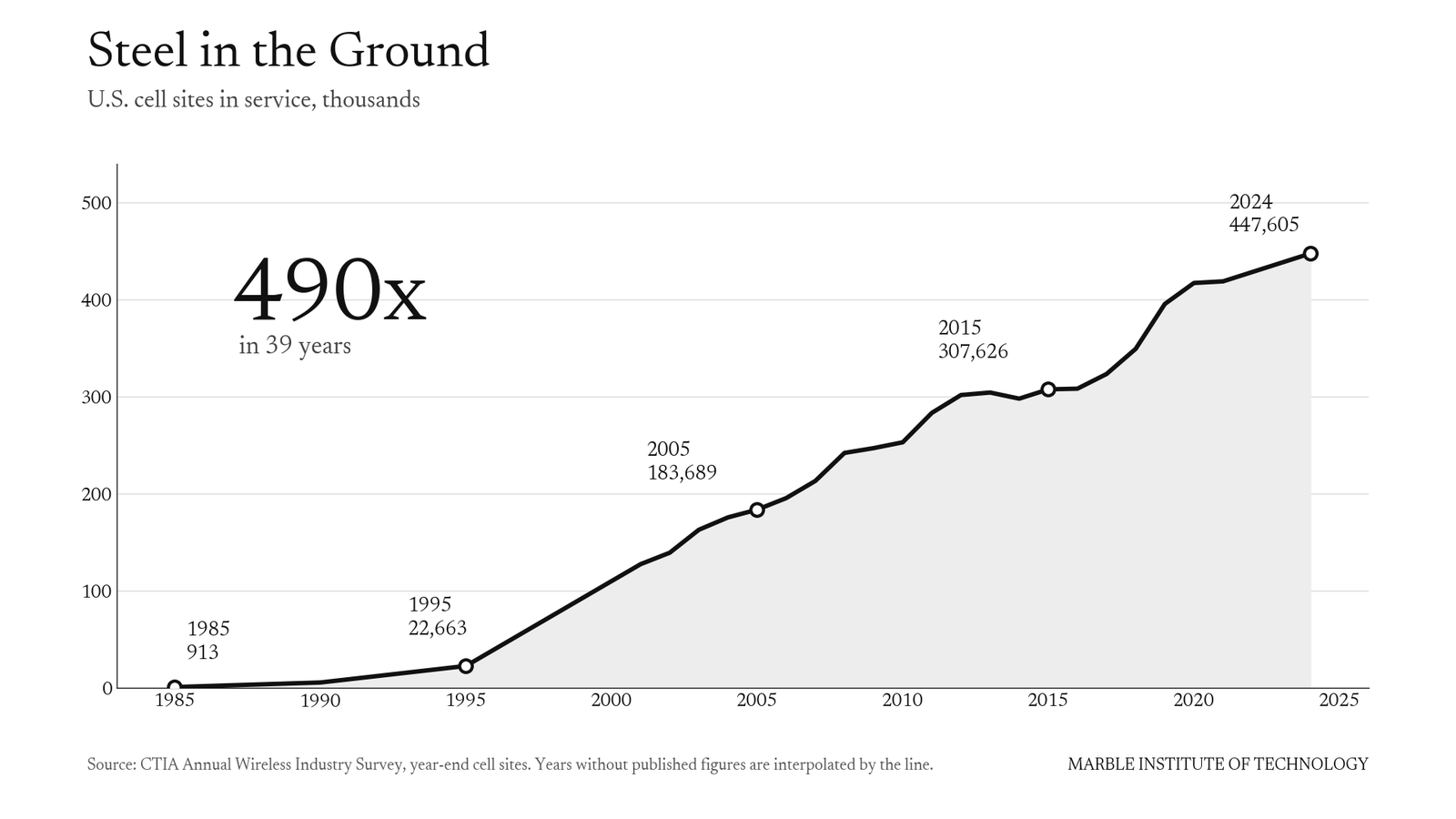
And behind every point on that line is steel. 913 cell sites in 1985. 447,605 in 2024.
Subscribers to Deliveries
Telecom tracks subscribers. Aviation // logistics logs deliveries.
In April 2024, Zipline made a delivery every 70 seconds. Today, every 20.
The 2029 target works out to about 11 per second.
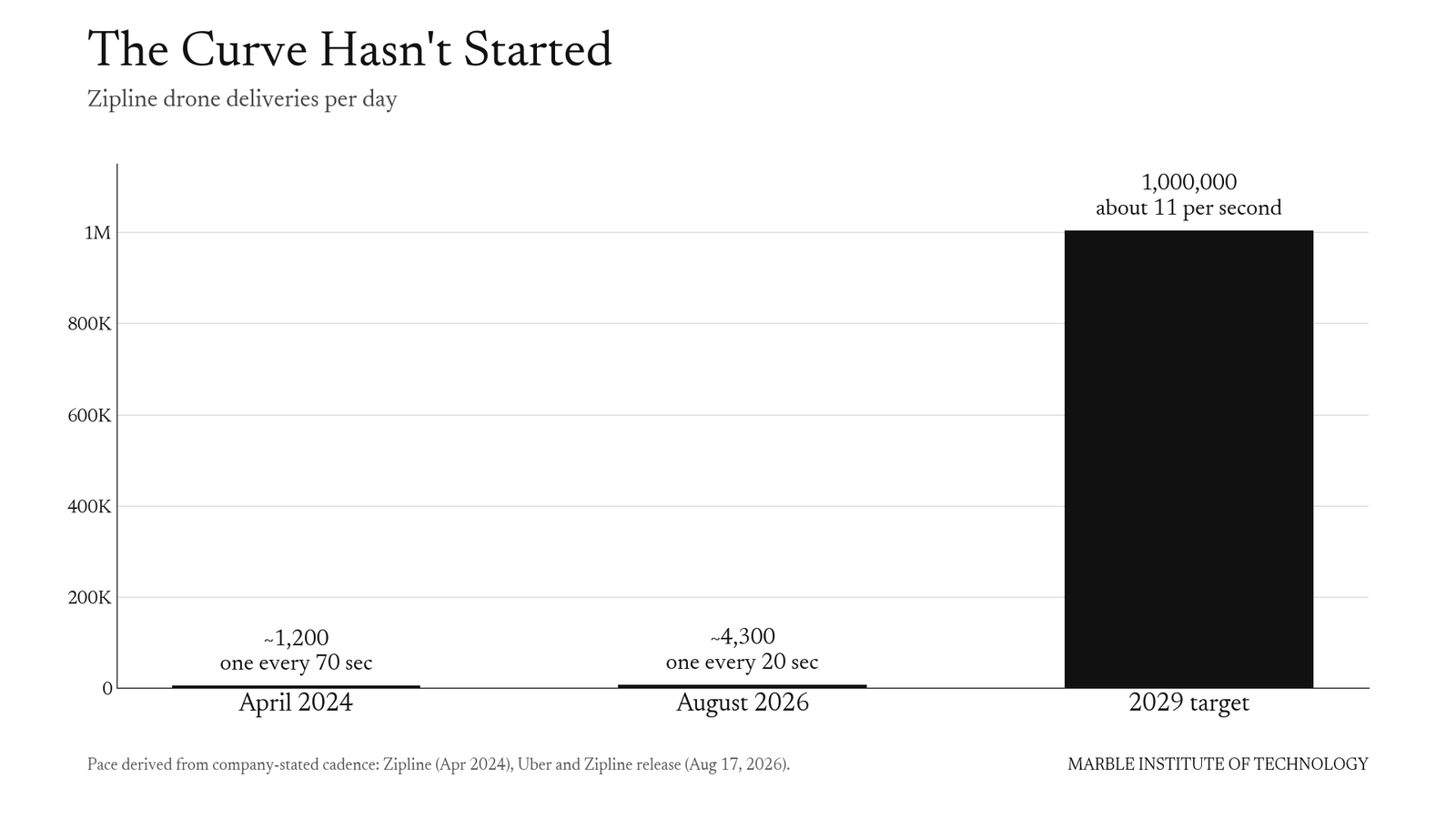
Those two short bars are akin to telecom in 1985. It’s so early.
And my FAA registry data says the same thing. Delivery drones on the FAA registry grew 69% in five months.
Build the Tower
Zipline is Ma Bell. It builds the aircraft, the docks, and the routes, because nothing exists to plug into yet.
Networks don't stay that way. Carriers sold their towers. Tower companies bought them. The tenancy layer won.
In case you missed it - Zipline founder Keller Rinaudo Cliffton sat down with the Relentless podcast to talk about the company’s growth.
It’s a must-listen.
Here’s the money quote,
Technologies have to be scaling in a way that makes neighborhoods more beautiful, quieter, safer, with less pollution and less traffic.
So, where's my flying car? It's coming.
Godspeed.